
Perfect Sound, Smarter Events: Sustainable Audio Techniques for Modern Productions
When guests walk into an event, the first impression might come from lighting or décor, but what truly connects them to the experience is sound. The moment they hear a voice, music, or applause, they begin to feel part of something. Sound gives energy its shape.
It’s also one of the easiest things to get wrong. A muffled microphone or uneven volume can instantly pull people out of the moment. That’s why modern event design now treats audio not as background support but as a core creative and technical discipline. Perfect sound is both an art and a science—and increasingly, a question of sustainability.
This guide explores how event professionals can achieve exceptional sound while using smarter, more environmentally responsible practices.
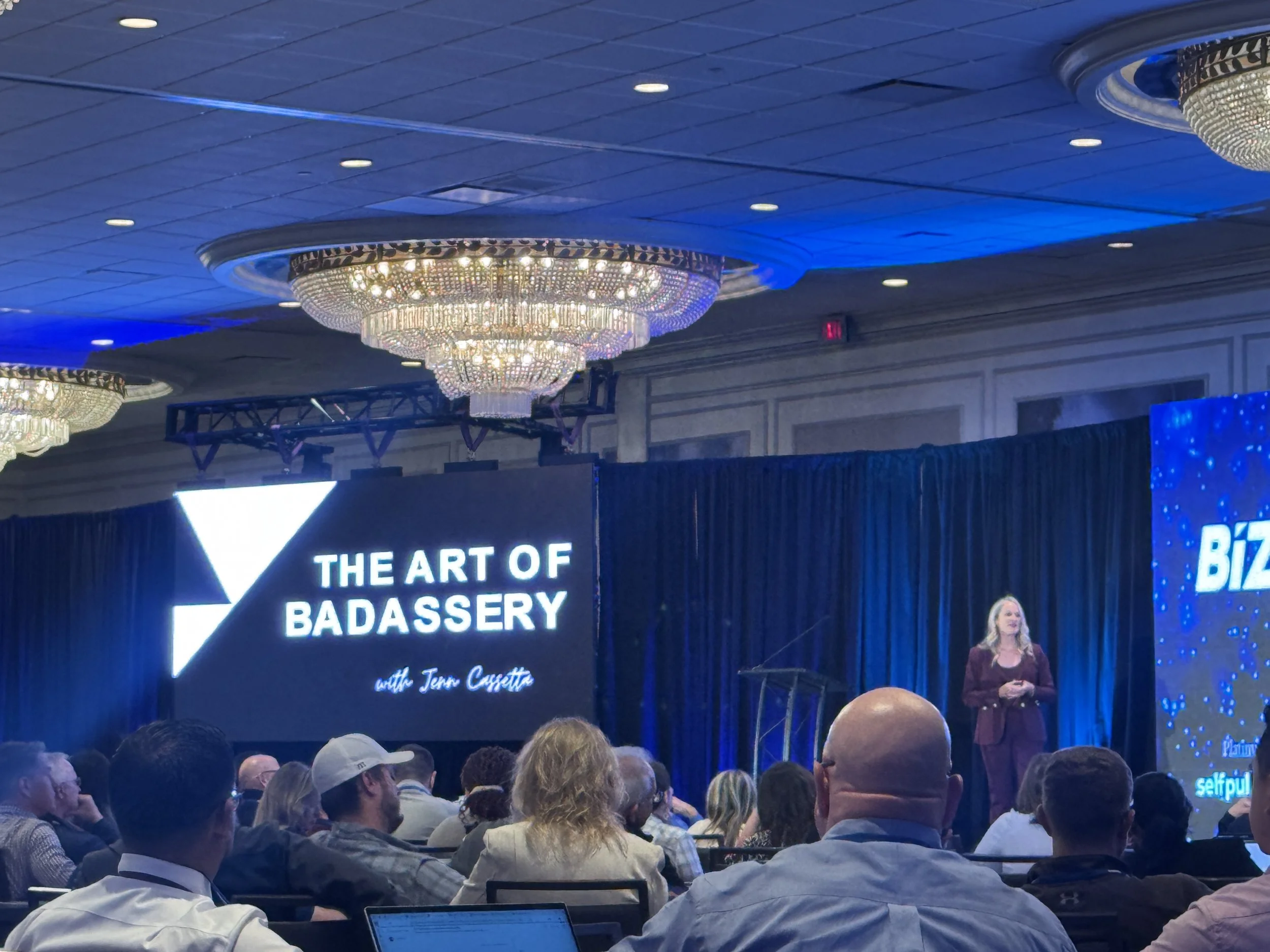
The Power of Sound in Event Design
Audio sets the emotional tone of an event. Clear sound makes content feel confident, intimate, and trustworthy. Poor sound distracts, distances, and frustrates.
At its best, sound should feel invisible. Guests shouldn’t have to think about it; they should simply feel engaged. That level of seamless clarity comes from understanding how technology, acoustics, and human hearing work together.
Every event type depends on audio in a different way. A corporate presentation needs even vocal clarity throughout a ballroom. A gala with a live band needs both fullness and control. A university commencement needs reach without distortion. Each scenario demands a thoughtful sound design, tailored to the space and the experience.
Acoustics: Reading the Room
Every room has a personality. Its materials, size, and shape determine how sound behaves.
Hard surfaces like glass or concrete reflect sound, creating an echo. Soft textures like carpet, curtains, and full seating absorb it. Too much reflection and you lose intelligibility; too much absorption and the energy feels flat.
Sound engineers study these behaviors before setting up equipment. They may use digital modeling tools to map how frequencies will travel and adjust the layout accordingly. Speaker placement, equalization, and time alignment are all used to create balance so every guest, no matter where they sit, hears the same quality.
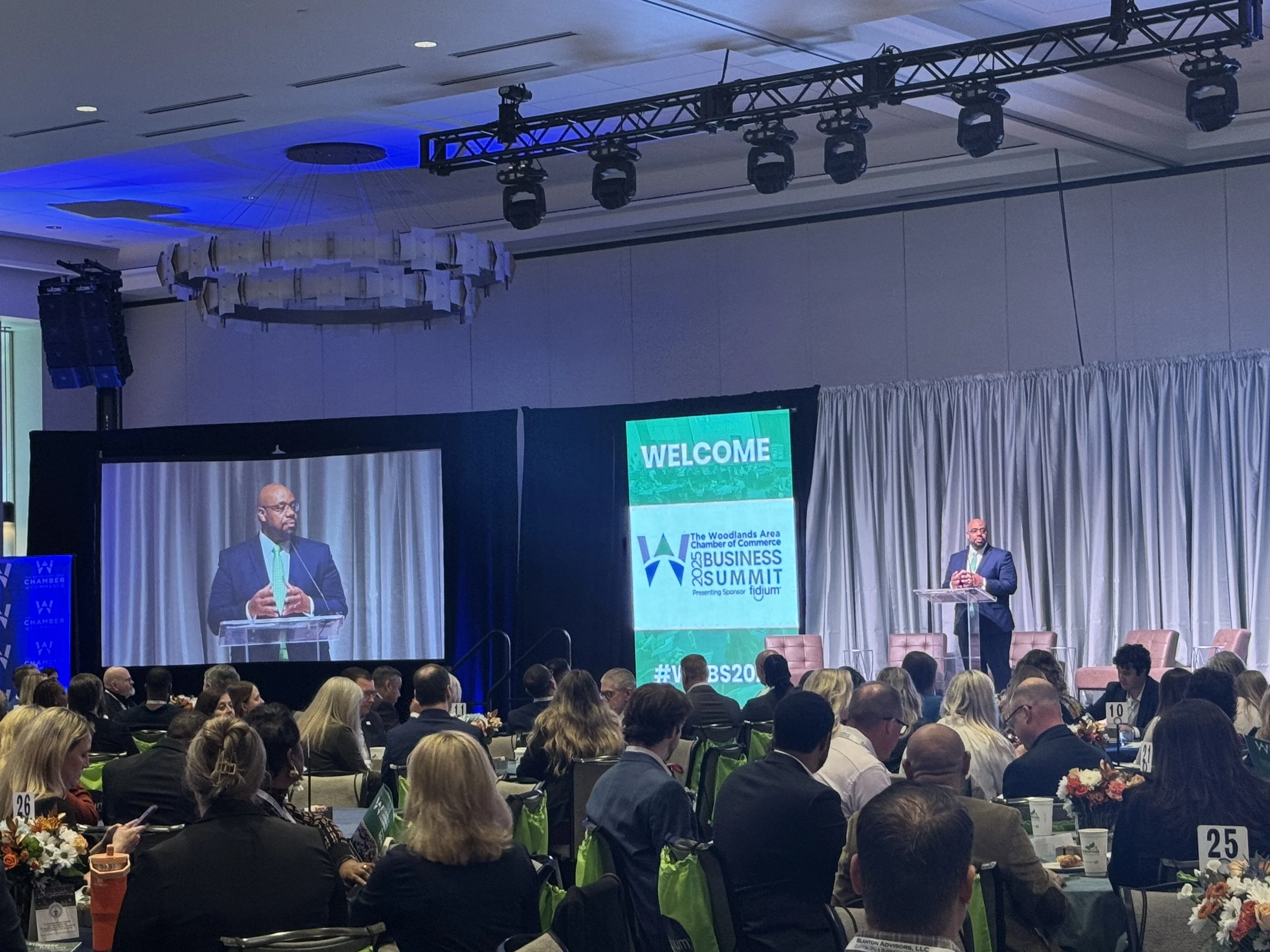
Understanding acoustics isn’t just about fixing problems- it’s about anticipating them. Choosing the right gear and layout for the space prevents issues before they happen.
Sound Checks: The Moment of Truth
A sound check is where design meets reality. It’s not just about confirming volume levels. It’s about making sure microphones, monitors, and playback systems all work together as one ecosystem.
Professionals check gain structure, test every input, and walk the room to confirm even coverage. They listen for reflections, harshness, or dead spots. They fine-tune equalization and ensure transitions between presenters, performers, and video playback feel natural.
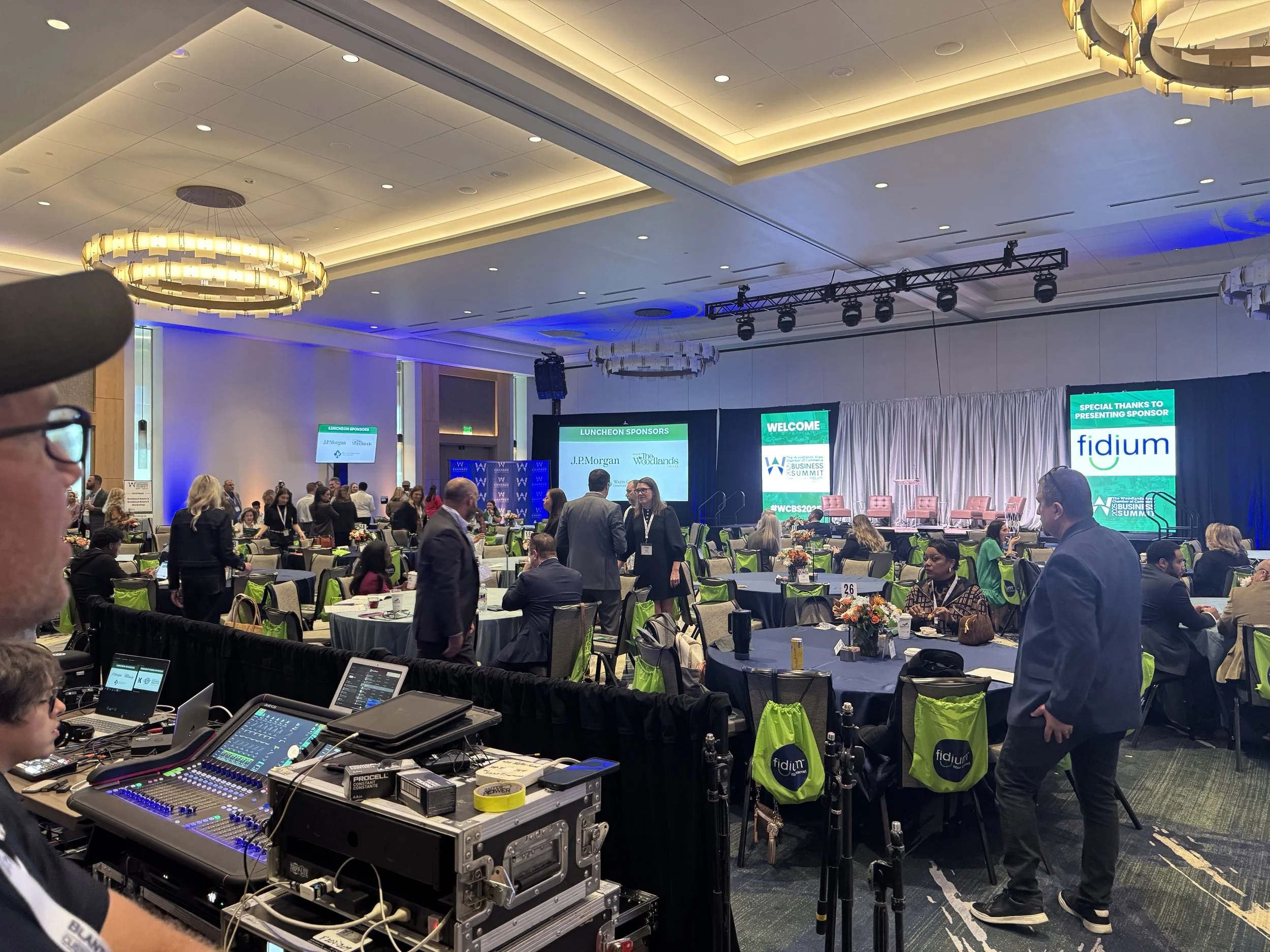
Good sound checks also reduce waste and energy. Modern digital consoles allow scenes and presets to be stored and reused across multiple events, minimizing recalibration and power draw. Efficient planning isn’t only faster, it’s more sustainable.
Mic Technique: Small Habits, Big Impact
Even the most advanced sound system can’t compensate for poor microphone use. Teaching presenters simple habits can make an enormous difference.
Hold the mic about a fist’s distance from your mouth. Speak directly into it, not over or across. Avoid walking in front of speakers, since that’s where feedback lives. Pause before handing a mic to someone else to prevent pops. Never tap or blow into it to test; it’s better to say a sentence in your normal tone. And most importantly, trust the technology. There’s no need to shout.
These small details keep sound natural and prevent the most common technical distractions during live events.

Smarter Energy Use in AV
The event industry is undergoing a quiet transformation toward sustainability. Audio and lighting systems have evolved dramatically, consuming far less energy than their predecessors.
LED-based lighting and video displays now use a fraction of the power once required by halogen or incandescent systems. Modern digital amplifiers deliver more output with less heat. Wireless systems are built around rechargeable batteries instead of disposable ones.
These upgrades reduce emissions and make production more reliable and easier to manage. Lower energy draw means fewer circuits, lighter cabling, and cooler operating temperatures, all of which contribute to safer and more efficient setups.
During load-in and rehearsals, some teams now follow energy-conscious policies such as partial lighting during setup and full power-down overnight. These practices extend the life of equipment and keep the overall footprint smaller.
Local Impact and Logistics
Sustainability is also about how production moves, not just how it sounds. Transporting heavy gear over long distances contributes significantly to an event’s carbon footprint.
Choosing local suppliers, local technicians, and local rental partners cuts fuel use, shortens setup times, and strengthens community partnerships. It’s efficient, practical, and builds regional expertise that benefits future events in the same area.
This approach also aligns with the growing preference for circular production—where materials, gear, and packaging are reused or recycled rather than discarded after each show.
Noise as an Environmental Factor
When we talk about sustainability, we usually think of materials and energy, but noise is also part of environmental responsibility.
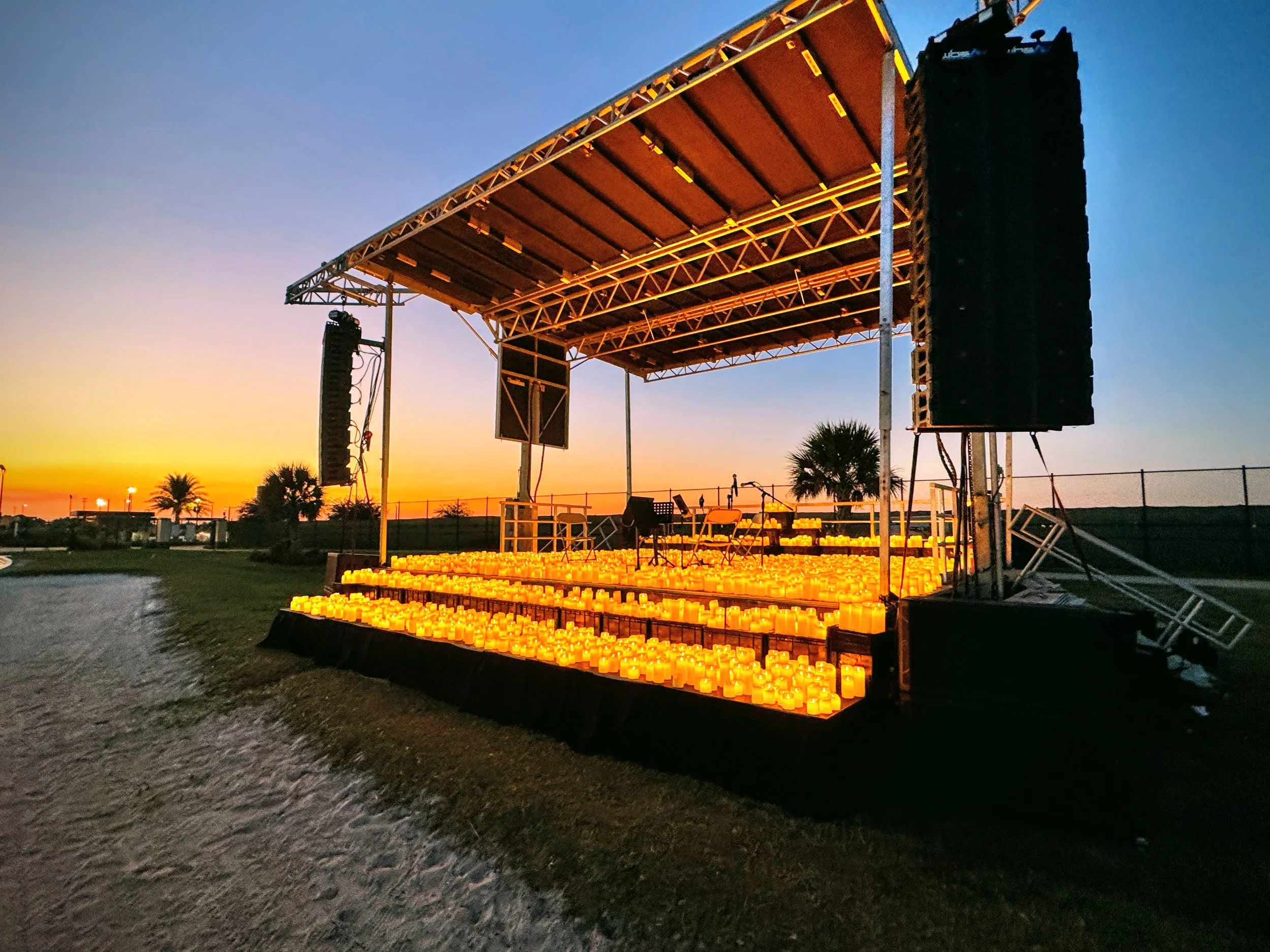
Modern audio systems use line-array technology that focuses sound where it’s needed and minimizes spill into surrounding areas. Real-time decibel monitoring helps maintain compliance with local sound ordinances and protects audience hearing.
In outdoor venues, festivals, and university settings, these practices are becoming standard. They ensure events remain powerful without disturbing nearby communities or ecosystems. Responsible sound design respects both the audience and the environment.
Tracking the Results
The shift toward sustainable AV is measurable. Many production teams now track their energy savings, waste reduction, and decibel compliance the same way they track attendance and engagement.
Metrics such as:
Energy saved through LED and digital systems
Percentage of recycled or reused materials
Average sound levels at each event
These help quantify progress. They also provide valuable data for clients focused on environmental, social, and governance goals.
Sustainability is most effective when it’s visible and verifiable. By collecting these numbers, the industry can show that great sound and green practices work hand in hand.
Designing for People, Not Just Performance
Technology should serve the experience, not overshadow it. The best sound design doesn’t call attention to itself; it simply makes people feel included.
Modern event sound is about comfort and connection as much as clarity. It aims to engage without overwhelming, to immerse without fatigue. That’s why audience-centered design is now as critical as technical precision.
When production teams think about how sound affects emotion and well-being, events become more accessible and memorable. Guests remember feeling connected, not just entertained.
The Future of Sustainable Audio
As technology advances, the definition of sustainability keeps expanding. The next generation of sound systems will be even more adaptive and efficient.
Expect to see smart amplifiers that automatically optimize output, battery systems that recharge from renewable sources, and software that predicts and balances acoustic energy before the first cable is plugged in.
This direction isn’t about doing less—it’s about doing better. Sustainable production doesn’t limit creativity; it supports it by conserving resources for what truly matters: the audience experience.
Key Takeaways
Treat sound as a central design element, not a technical afterthought.
Understand acoustics early and adapt your setup to each room.
Use efficient, modern equipment to reduce energy use and heat.
Encourage good microphone habits among all presenters.
Monitor noise and volume as part of environmental responsibility.
Source locally and reuse materials whenever possible.
Track sustainability metrics the same way you track event success.
The Bottom Line
Perfect sound today means more than clear audio. It means using technology intelligently, designing with empathy, and operating responsibly. Every watt saved, every decibel managed, and every recycled cable is part of a broader shift toward smarter, more sustainable events. When done right, sound doesn’t just fill a room—it connects people, defines the mood, and leaves an impression long after the last note fades. Perfect sound isn’t louder or flashier. It’s cleaner, kinder, and designed with purpose.- Book a 15‑Minute Sound Consultation — We’ll recommend the perfect sound package for your size, venue, and budget.
- Lock In Your Date — Our inventory goes fast, especially during peak seasons.
- Watch Your Event Run Smoother Than Ever — At WBSAV, we make sure your message is always heard. We invest in the best gear, train our crews to anticipate every challenge, and treat your event like it’s our own.